
What is the CIA Certification? The Certified Internal Auditor Guide
A clear Arabic guide explaining the Certified Internal Auditor (CIA) certification, its importance, exam parts, number of questions, registration and experience requirements, Arabic language availability, and steps to obtain the certification without exaggerations or unrealistic job promises.
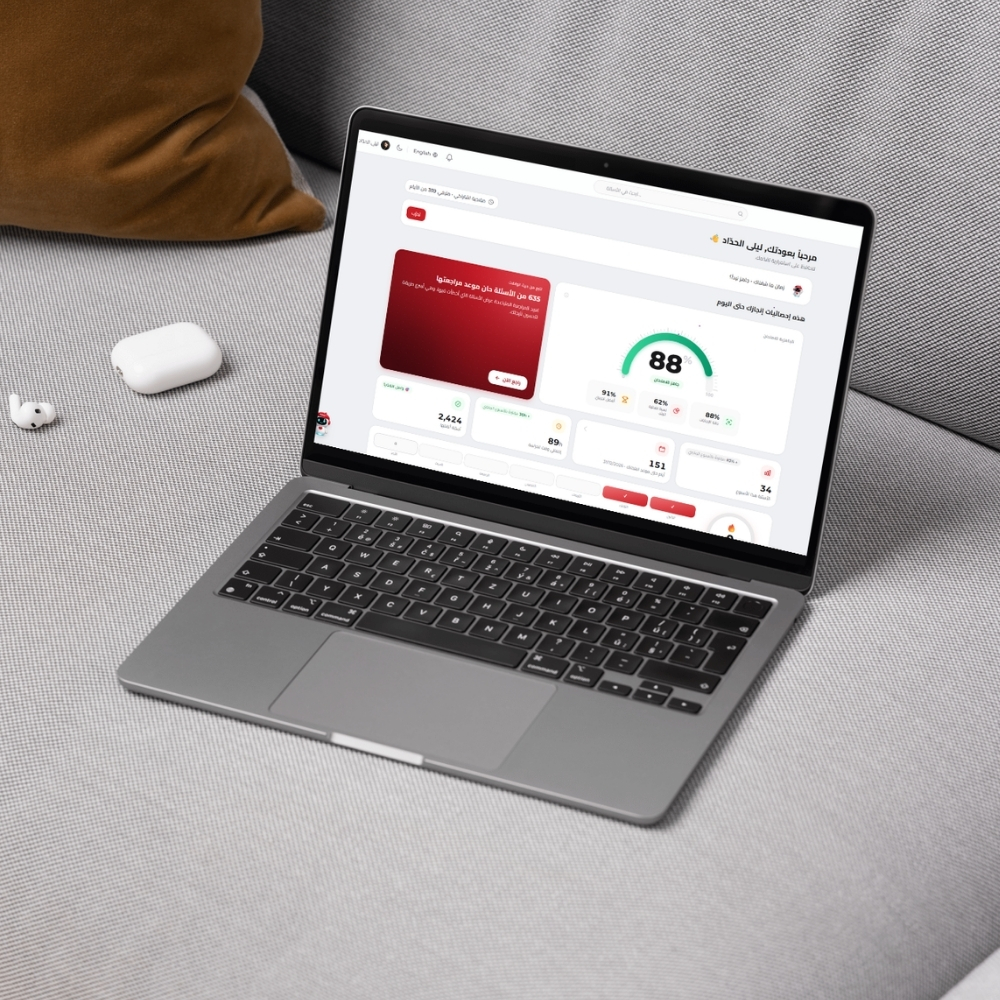
The CIA certification stands for Certified Internal Auditor. It is issued by The Institute of Internal Auditors (The IIA) and focuses on governance, risk management and control, conducting audit engagements, and managing the internal audit function. The traditional pathway consists of three exams, and the exam can be taken in Arabic according to the language schedule and syllabus approved by The IIA.
Each part has its own number of questions and duration
Passing score: 600 scaled score on each part, with each part administered as an independent exam.

What does the Certified Internal Auditor certification demonstrate?
The CIA certification demonstrates that its holder possesses a professional knowledge base in internal auditing, including understanding the role of audit within the organization, ethics and professionalism, governance, risk management, internal control, and fraud risk, in addition to planning, conducting, and reporting audit engagements.
The certification is not exclusive to accountants; a candidate may come from another academic discipline. However, obtaining full certification requires meeting the education and professional experience requirements specified by The Institute of Internal Auditors.
- Specialized credential: Focuses on internal auditing, not just general accounting.
- Common professional language: Links the auditor’s work to global standards, governance, risk, and control.
- International portability: Benefits professionals working in local, regional, or international organizations.
Who is the CIA certification suitable for?
The certification is suitable for those who work or plan to work in internal auditing, governance, risk, compliance, and control. It does not replace practical experience but provides a clear, measurable professional framework for it.
Internal Auditors
For those starting in internal auditing or wanting to move from an operational level to more advanced and supervisory roles.
Risk, Control, and Compliance
Benefits those working in risk management, internal control, compliance, quality assurance, and external auditing.
Accountants and Finance Professionals
For those wanting to expand their path from accounting and financial reporting to governance and evaluation of controls and processes.
Audit Managers and Directors
Supports understanding of managing the audit function, the risk-based plan, quality assurance, and communication with management and the board of directors.
Recent Graduates
Students and those without a university degree can start with the Internal Audit Practitioner (IAP) pathway, then transition to CIA with an exemption from Part One according to the approved policy.
Career Changers
May be suitable for transitioning to auditing and risk if combined with practical understanding and relevant experience, not merely by passing the exam.
CIA Exam Parts and Number of Questions
The exam is computer-based and multiple-choice. The Institute of Internal Auditors does not require parts to be taken in a specific order, and candidates may choose the sequence best suited to their study plan.
| Part (2025 Syllabus) | Number of Questions | Duration | Key Coverage |
|---|---|---|---|
| Part One: Internal Audit Fundamentals | 125 questions | 150 minutes | Foundations of Internal Auditing (35%); Ethics and Professionalism (20%); Governance, Risk Management, and Control (30%); Fraud Risks (15%). |
| Part Two: Internal Audit Engagement | 100 questions | 120 minutes | Engagement Planning (50%); Information Gathering, Analysis, and Evaluation (40%); Engagement Supervision and Communication (10%). |
| Part Three: Internal Audit Function | 100 questions | 120 minutes | Internal Audit Operations (25%); Internal Audit Plan (15%); Quality of the Internal Audit Function (15%); Engagement Results and Monitoring (45%). |
The exam uses scaled scoring, with a passing score of 600. This does not necessarily mean answering a fixed percentage of questions correctly, as the result is converted to a scaled score.
What are the requirements to obtain the CIA certification?
You may sit for the exams before completing the required experience, but final certification issuance requires passing all parts, meeting the experience requirement, and documenting it within the program’s specified timeframe.
One year of relevant experience
You may sit for all three parts after application acceptance, then submit proof of one year of recognized experience.
Two years of experience
The degree need not be in accounting, but two years of relevant experience must be documented to obtain certification.
Start with the IAP pathway
You may start with the Internal Audit Practitioner (IAP) credential, then transition to CIA and receive an exemption from Part One according to the approved policy.
Steps to Obtain the CIA Certification
This is the typical journey for the traditional pathway. Some details and fees may vary depending on the candidate’s country, membership, and pathway.
Determine Eligibility Pathway
Review your educational qualifications and experience and determine whether the traditional pathway, IAP, or Challenge Exam is suitable for you.
Create a CCMS Account
Create an account in The Institute of Internal Auditors’ Certification Candidate Management System.
Upload Documents
Submit proof of education, a valid government ID, and any additional documents related to your pathway.
Register and Schedule
Register for the required part and schedule your appointment at an available Pearson VUE center through the system.
Pass the Exams
Pass the required parts within three years; they need not be taken in a fixed order.
Document Experience and Maintain Certification
Complete experience verification, then comply with renewal and continuing professional education requirements after obtaining the certification.
What is the difference between CIA, CMA, CPA, and CISA?
There is no single best certification for everyone; the choice depends on the role you are targeting and the field in which you want to specialize.
The following comparison is simplified to help you determine direction and does not replace reviewing the official requirements of each issuing body.
| Certification | Primary Focus | Usually most suitable for those who want to |
|---|---|---|
| CIA | Internal auditing, governance, risk, control, and conducting and managing audit engagements. | Work in internal auditing, risk, control, compliance, or lead the audit function. |
| CMA | Management accounting, financial planning and analysis, performance, and decision-making. | Advance in finance, management accounting, and financial planning and analysis. |
| CPA / JCPA | Accounting, financial reporting, external auditing, and professional or legal requirements depending on the country. | Work in public accounting, external auditing, or licensed professional practice. |
| CISA | Information systems auditing, technical controls, cybersecurity, and IT risk management. | Specialize in systems auditing, information technology, and technical controls. |
Does the CIA certification guarantee a job or a specific salary increase?
No certification guarantees a job or a fixed percentage salary increase. The value of the CIA appears when combined with practical experience, the ability to apply standards, and strong analytical and communication skills. It can enhance your opportunities and professional credibility, but the actual impact varies by country, sector, experience, and role.
Frequently Asked Questions About the CIA Certification
These answers are based on official information available from The Institute of Internal Auditors as of the page update date.
What does the CIA abbreviation mean?
It stands for Certified Internal Auditor.
Is the CIA certification globally recognized?
Yes. The Institute of Internal Auditors describes it as the global specialized credential in internal auditing, used by professionals working in multiple organizations and sectors around the world.
Is the CIA certification only for accountants?
No. A university degree in accounting is not required, but the education and professional experience requirements specified for your pathway must be met.
Is the CIA exam available in Arabic?
Yes. Arabic is one of the available languages. Until December 27, 2026, the Arabic exam follows the 2019 syllabus, then transitions to the 2025 syllabus starting December 28, 2026.
How many parts and questions are in the CIA exam?
The traditional pathway consists of three parts: Part One has 125 questions, Part Two has 100 questions, and Part Three has 100 questions—325 questions in total.
What is the passing score for the CIA exam?
The scaled passing score is 600. The IIA uses a scaled scoring system, so there is no fixed published percentage of correct answers that applies to every exam form.
Must CIA parts be taken in order?
No. The IIA does not impose a specific order for the parts, and you may choose the sequence best suited to your study plan within the program timeframe.
Can the exam be taken before completing the experience requirement?
Yes. An accepted candidate may sit for the exams before completing the required experience, but final certification issuance requires documenting experience and meeting all requirements.
Where is the CIA exam held?
Registration is done through CCMS, then you select an appointment and an available Pearson VUE testing center in your country. Centers and appointments may change, so the official system is the final reference.
How long do I have to complete the CIA certification?
All CIA program requirements must be completed within three years from the date of acceptance into the program.
How much does the CIA certification cost?
Application and exam fees vary by membership and country and may change over time. Training and study material fees are separate from IIA fees, so it is best to review the official pricing page before registering.
Does the CIA certification require renewal?
Yes. Certification status must be maintained through annual renewal and meeting continuing professional education requirements according to IIA policy and the professional status of the certification holder.
Last updated: August 18, 2026. Exam structure, eligibility, language, and duration were reviewed with reference to official sources from The Institute of Internal Auditors. Published IIA policies remain the final reference in the event of any change.
Now you know the certification. Choose your preparation method.
You can enroll in the interactive CIA course, start with the study materials and question bank, or choose the recorded course according to the time and method that suits you.

